A Quick Win Is a Subscription
Medieval Dutch farmers drained the bogs, and the land has needed looking after ever since.
Around the 9th century, people in what's now the Netherlands wanted more farmland, but all they had was a lot of bog. Some of the bog may have been 90 percent water.
So they drained it. Lowering the groundwater by about a meter stops peat accumulation and allows the ground to be farmed. Problem solved.
For a little while. Then the land started to sink.
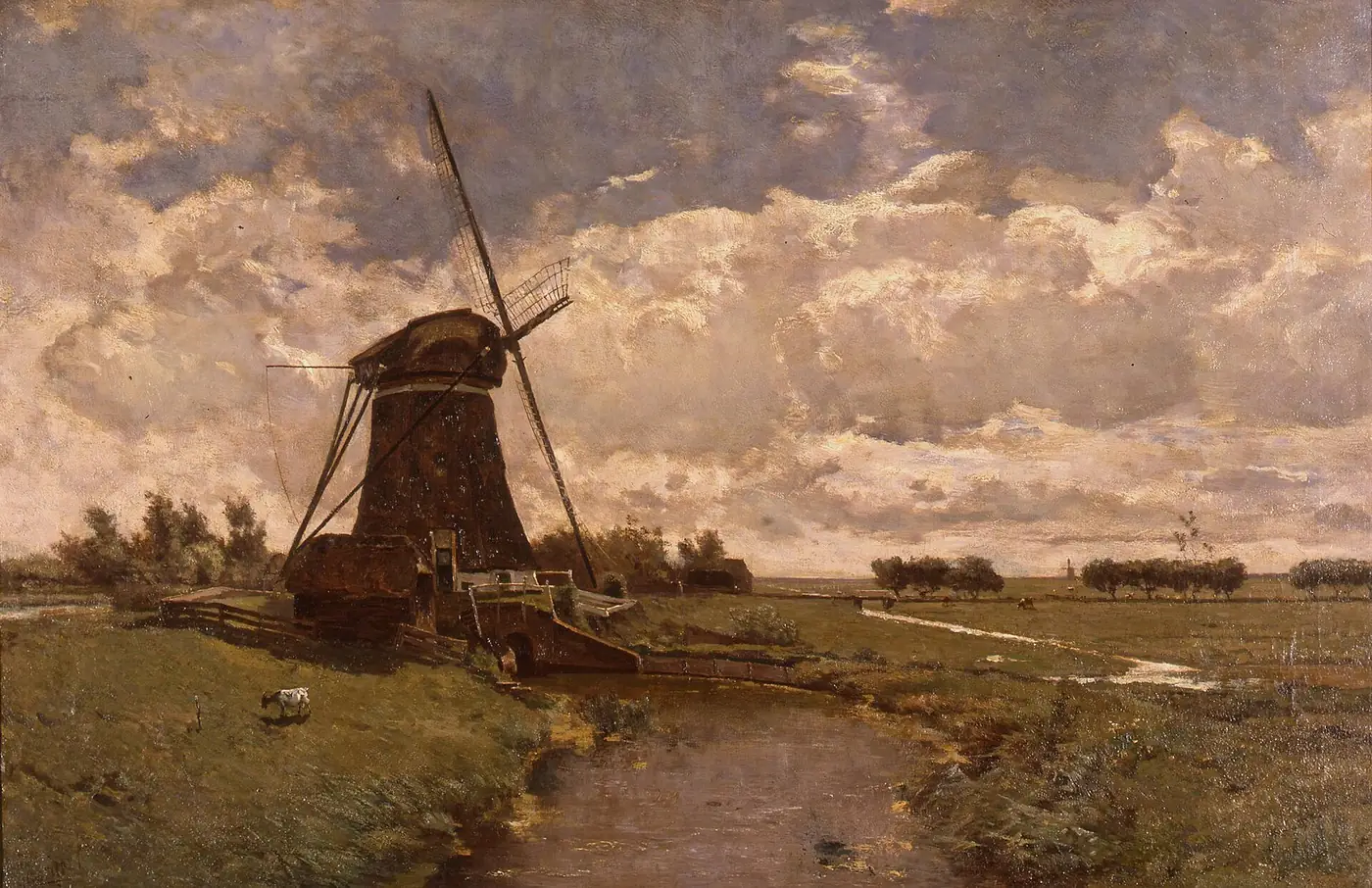
Land that sinks is harder to drain and floods worse in storms, so the fixes started piling up: dikes, dams, and sluices, then windmills (from the 15th century) to pump water between levels. Local water authorities ran the system, and some polder board archives go back to the 14th century.
History has a point.
Anyone who's shipped a quick fix and then spent the next quarter keeping it alive will recognize the pattern.
The parallel isn't perfect. The people draining those bogs weren't cutting corners, and the drainage did what it promised.
So before you ship the next quick win, ask who's maintaining it in year two. A quick win that needs maintenance is a subscription.
Sources
- William H. TeBrake, "Taming the Waterwolf: Hydraulic Engineering and Water Management in the Netherlands during the Middle Ages," Technology and Culture 43, no. 3 (2002): 475–499.
First shared on LinkedIn.