The Ten Days Europe Skipped
In 1582 the pope fixed the calendar. Half of Europe refused, and not because the fix was wrong.
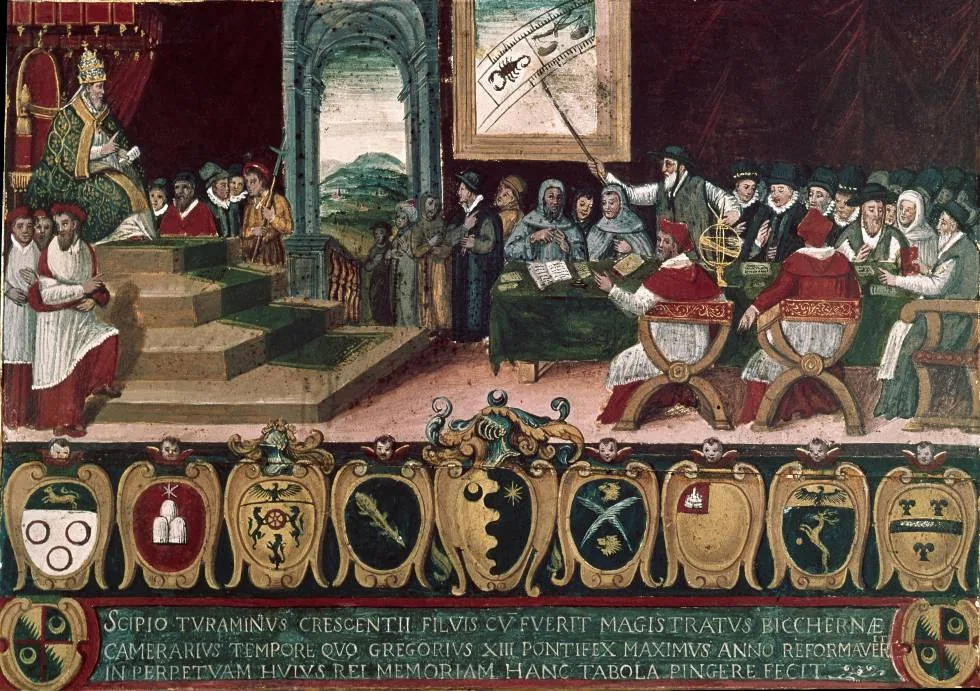
On Thursday, October 4, 1582, Catholic Europe went to bed and woke up on Friday, October 15.
Ten days were deleted by papal bull. The old calendar had drifted so far from the seasons that Pope Gregory XIII had it skip ahead to catch up. The new calendar was better. Spain, Portugal, Poland, and most of Italy made the jump on schedule. Much of Protestant Europe didn't.
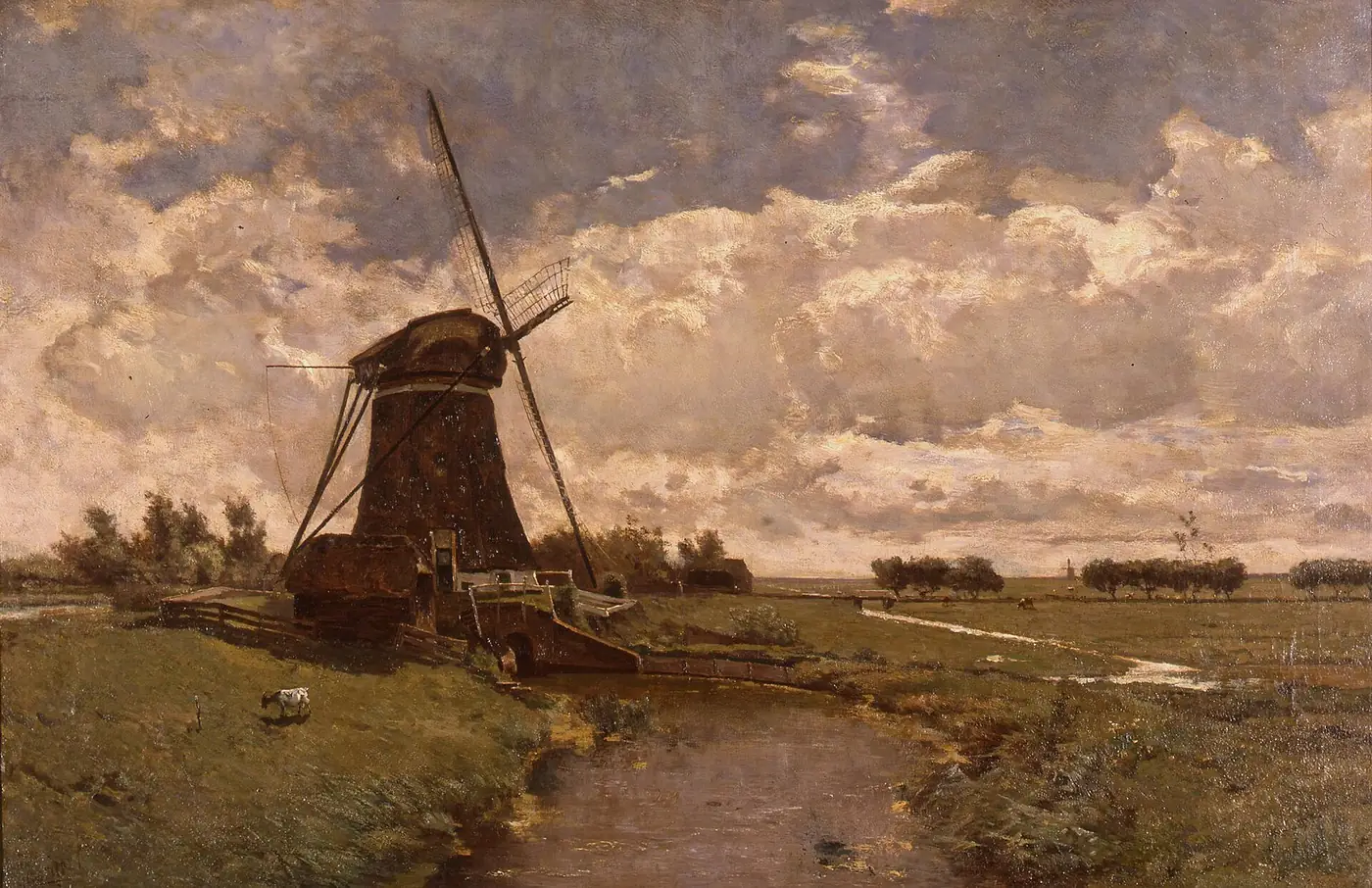
Resistance wasn't to the idea but to the management behind it. In this case, that meant the pope, and some feared a plot to bring them back under his influence. Even the Netherlands split largely along religious lines, with most of the Protestant provinces holding out until 1700 and 1701.
When the holdouts finally moved, they didn't adopt the Pope's calendar. They adopted an "improved" one that counted the days the same way and worked out Easter its own way.
Same fix, new name.
History has a point.
Any technology leader has met both camps. Being right isn't a rollout plan.
People rarely resist a change because the spec is wrong. They resist where it came from, what accepting it says about them, and having no say in it. The holdouts weren't won over by a better argument. They were handed a version they could call their own.
So which team are you on? Are you an adopter of change, or averse to it? Is anything in your organization still running the old calendar because of you?
Sources
- Robert Poole, Time's Alteration: Calendar Reform in Early Modern England, UCL Press, 1998 (chapters on the Gregorian reform of 1582 and calendar reform in the Protestant world).
First shared on LinkedIn.