Keep the Beer, Cut the Horse Race
Oktoberfest began as a royal wedding horse race. Munich kept the party and dropped the part that stopped working.
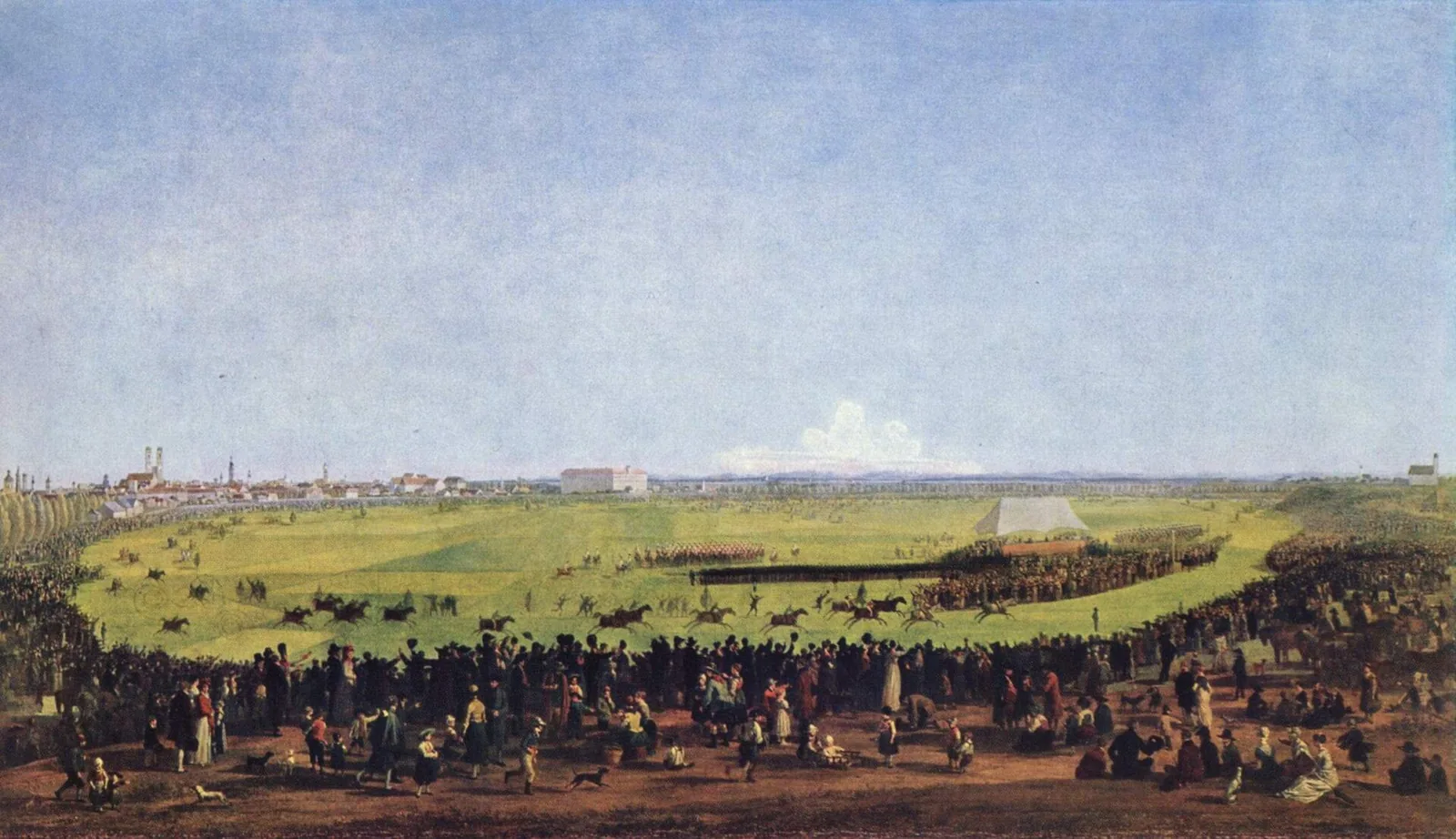
In October 1810, Munich's citizens' militia organized a horse race to mark the wedding of Crown Prince Ludwig of Bavaria, the future King Ludwig I. It went so well that a few days later, the militia's major asked the crown to run it again. The king agreed, and the race returned in 1811, paired that year with an agricultural fair and livestock market.
For the next several years, an agricultural association ran the entire event. In 1819, the newly self-governing city of Munich took over the event's organization and funding and never gave them back. Horse races remained on the program until 1913, when the fairgrounds no longer met racetrack standards. Nobody canceled the festival. The city cut the part that had stopped working and kept the beer, the crowds, and the name.
History has a point.
The parallel for anyone running a team: the recurring offsite, the standing sync, the "quick catch-up" all start as someone's good idea. A recurring meeting survives when someone keeps editing it, deleting whatever no longer has a place, the way Munich kept the party and cut the horse race. When the agenda no longer ties back to the reason the meeting exists, that's not a sign to reschedule. It's a sign to cancel.
Worth noting where the parallel stops: Oktoberfest also took on a harder political task than Munich ever had to manage, tying newly absorbed territory to the crown. A recurring team meeting rarely carries that kind of weight, no matter what the invite implies. Own what takes up your and your team's time.
Sources
- Ursula Eymold, "Oktoberfest," Historisches Lexikon Bayerns, Bayerische Staatsbibliothek, published June 5, 2013 (updated November 24, 2020).
First shared on LinkedIn.