The Fortress That Forgot to Look Up
In 1940, Europe's strongest fortress fell to 85 men in gliders. The walls weren't the problem.
- 85 attackers
- 750 defenders
- 20 minutes until the fort's main guns were out of the fight
- 31 hours until surrender
This weekend I visited Fort Eben-Emael. When it was completed in 1935, it was considered the strongest fortress in Europe: reinforced concrete, retractable gun cupolas, tunnels cut straight into the limestone, purpose-built to stop a German advance through the Maastricht Appendix. On paper, it was unbreakable.
On May 10, 1940, those 85 men landed silently on the fort's flat roof in gliders and, using explosives the Belgians didn't even know existed, took the fort's main defenses out of the fight in about 20 minutes. The garrison held out in the tunnels for another day before surrendering.
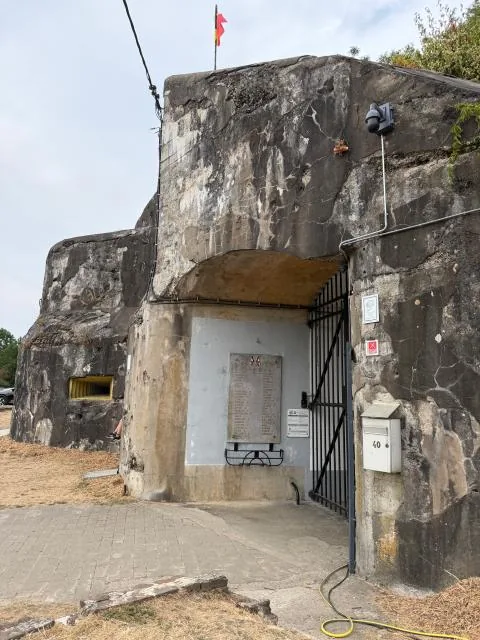
History has a point.
Fort Eben-Emael wasn't beaten because the walls were weak. It was beaten because its designers were so sure of what a fortress needed to withstand that they stopped running "what if" scenarios. The roof had almost no anti-aircraft defense, no mines, no wire. Not because anyone decided that risk was acceptable, but because no one seriously imagined the attack would come from above.
Every "unbeatable" thing is beatable. Every "unbreakable" thing is breakable. The Nazis proved this with six months of planning. You can plan for what you know. The real work is planning for what you don't.
First shared on LinkedIn.